
Circuito Maratour 2026 — Mahi-Mahi (Salvador)
- Mar 28, 2026
- Last edition date
- Distances from 250m to 16km
About the race
The water here carries the weight of 1549, the year Tomé de Sousa dropped anchor at Praia do Porto da Barra to establish the first capital of Colonial Brazil. As you push through the chop, you are essentially tracing the same coastline where a six-meter stone monument now stands, silently marking the birth of a nation. This is the backdrop of the Circuito Maratour, an annual gathering that brings swimmers into the heart of the Bay of All Saints.
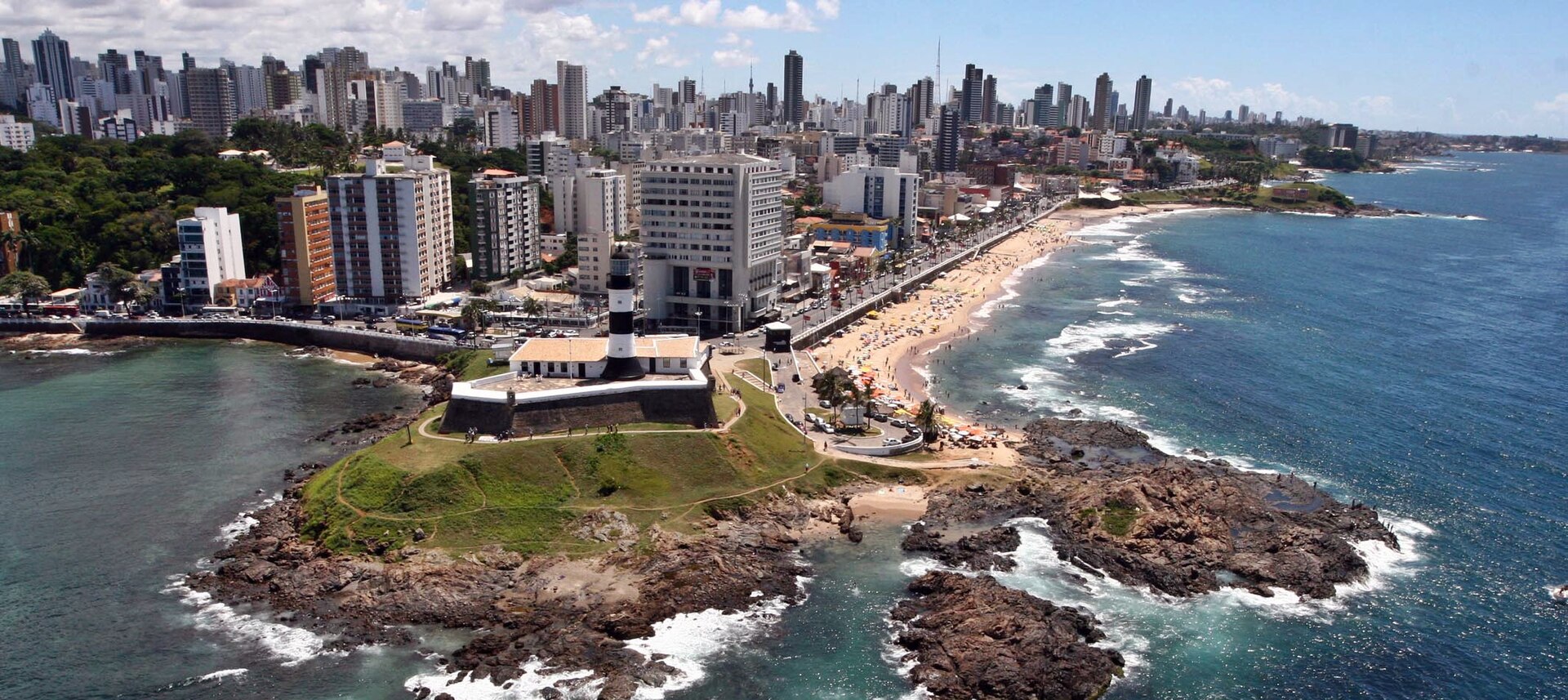
Swimming here means moving through layers of history that defined the South Atlantic. In the 17th century, these same waters were contested by the Dutch during their 1624 invasion; they famously seized the local Jesuit chapel, turning a place of worship into a warehouse for their confiscated wine. You might catch a glimpse of the historic center's silhouette, where the Lacerda Elevator—that 72-meter engineering feat from 1873—connects the bustling Cidade Baixa to the elevated city above. Further along the line of sight, the Cruz Caída monument stands as a stark reminder of the 1933 demolition of the original 16th-century cathedral, a landmark that orients every swimmer heading toward the historic core.
Yet, the coast holds darker memories, too. Near the Ladeira da Barra, Francisco Pereira Coutinho established an early settlement in 1536, only for his tenure to end in a shipwreck near Itaparica Island, followed by a grim fate in an anthropophagic ritual. Today’s event, the Mahi-Mahi stage, offers a more harmonious experience with the ocean, providing distances of 250m, 750m, 1500m, and 3000m. While the nearby UltraMaratour tests endurance across the 16km channel, this stage focuses on the tactical navigation of the bay's currents. Consecrated in 1654, the Jesuit complex nearby—where the community was once held prisoner before their 1760 expulsion—still watches over the harbor. It is a unique vantage point, seeing the city from the water, where the rhythm of your stroke is the only thing that breaks the stillness of a bay that has witnessed centuries of global change.
Sources: Salvador · Cathedral Basilica of Salvador
Course
Ultramarathon distance from Itaparica to Mutá.
Awards
Refer to the official regulation PDF for award categories.
Previous editions
Since 2011
How to get there
Circuito Maratour 2026 — Mahi-Mahi (Salvador)
Where to stay
Salvador offers a range of stays, from colonial-style boutique hotels in the Pelourinho district to modern beach resorts near the Mahi-Mahi venue. Swimmers often choose beachfront pousadas in Itaparica for easier access to the ultramarathon start line. Expect to pay between 350 and 800 BRL per night for mid-range, comfortable lodging during the race weekend. Early booking is recommended, especially for the ultramarathon dates in September, as local demand increases significantly.
Things to do nearby
The region is defined by its strong Afro-Brazilian heritage and colonial history. Between training sessions, you can visit the historic center of Salvador, a UNESCO World Heritage site, or explore the local markets for traditional Moqueca. For active recovery, the calm waters around Itaparica are ideal for stand-up paddleboarding or guided kayak tours, which provide a different perspective on the coastline you will be swimming during the event.
Swimmers
Other stages of this series
- Circuito Maratour — Itaparica (novembro)Itaparica, BR
- Circuito Maratour 2026 — Mangue SecoMangue Seco, BR
- Maratour Village ItaparicaItaparica, BR
- UltraMaratour — Itaparica–MutáItaparica, BR
Comments
Transparency: some links on this page (stays, flights, experiences, gear) are affiliate links — if you book or buy through them, Omniathlon may earn a commission from the partner at no extra cost to you. As an Amazon Associate we earn from qualifying purchases.