KotlinRace
- Aug 9, 2026
- Last edition date
- Distance: 25km
About the race
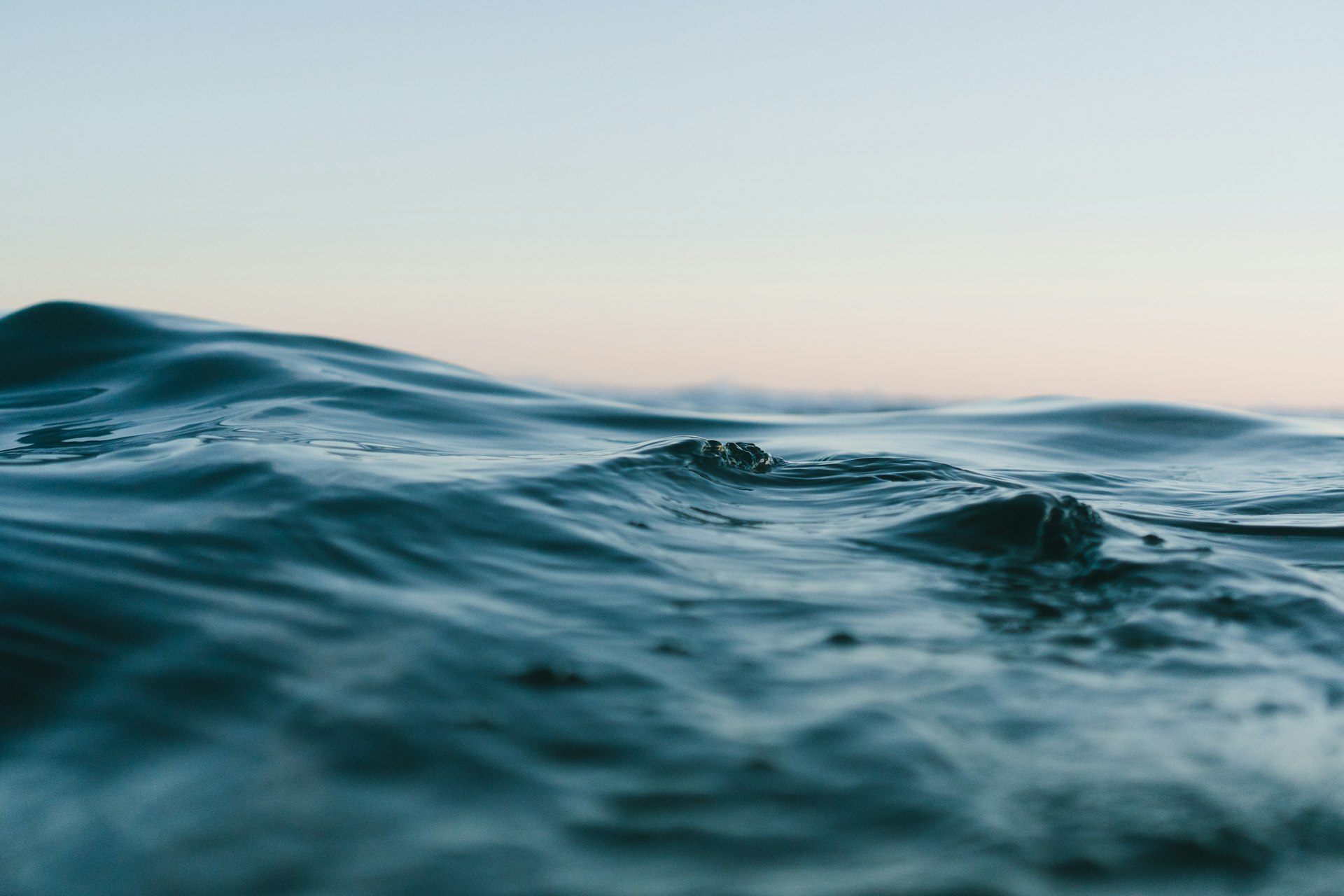
On the morning of the race, the Saint Petersburg yacht clubs stir long before dawn. Support crews pack navigation charts and nutrition supplies, preparing for the 25-kilometer push across the Gulf of Finland toward Kotlin Island. Organized by Dmitry Egorov and the GrandSwim team, this annual marathon transforms the shipping lanes into a personal test of endurance for soloists and relay teams alike. Swimmers often return year after year, drawn by the specific challenge of navigating the transition from the Neva River’s initial current into the unpredictable open sea.
The route and its origins
The course follows a line toward Kronstadt, a town whose military architecture remains visible from the water. As you swim, you pass the structures of the 'Russian Dardanelles,' a chain of 19th-century fortifications built to secure the capital's maritime gateway. Some of these, like the oval-shaped Fort Alexander, served a darker purpose as laboratories for plague and cholera research during the early 1900s. Beneath the surface, the gulf floor hides a massive ship cemetery; the low salinity and cold temperatures have preserved thousands of vessels and aircraft dating back to the 18th century, silent witnesses to the naval power struggles that have defined this region for centuries.
Managing the environment
Success in this marathon depends on your ability to handle the water’s character. While the first 3 kilometers benefit from the Neva’s flow, the remaining distance is governed by winds that can shift quickly, creating cross-currents or chop. The race requires a support boat for every participant, as strict navigation through these busy waters is mandatory. If conditions deteriorate, the start time or date may shift to ensure safety, a necessity for a crossing that can reach up to 26 kilometers depending on the drift. Because of this, organizers advise participants to keep a three-day window open around their scheduled date.
Race logistics
Participation is gated by a qualification process: swimmers must complete a 10-kilometer distance under four hours or a 15-kilometer swim to be eligible for the 25-kilometer main event. Regulations are specific about equipment—wetsuits are permitted based on your qualifying swim category, but their use is prohibited for those registered in the non-wetsuit class. Once the finish line is reached at Kotlin Island, the ceremony includes an electronic certificate and the placement of your name on the local board of honor, a tradition that marks the completion of the long-distance traverse.
Sources: Gulf of Finland · Fort Alexander (Saint Petersburg)
Course
Starts in Saint Petersburg, follows the Gulf of Finland to Kronstadt (Kotlin Island). The route is 25 km in a straight line, but can vary to 26 km depending on weather and currents. The first 3 km benefit from the Neva river current.
Awards
- Wetsuit/No-wetsuit separated
Finishers receive a medal and electronic certificate. Names are added to the 'Wall of Fame' on Kotlin Island.
Aid stations
Support is provided by a personal escort boat. Feeding must be done from the boat; feeding is prohibited in dangerous sections.
How to get there
KotlinRace
Where to stay
Accommodations in Saint Petersburg range from historic boutique hotels overlooking the Neva embankment to functional apartments in the Kronstadt district. For those seeking proximity to the yacht clubs used for the event, modern harbor-front hotels are standard, with prices typically ranging from $80 to $180 per night. If you prefer a quieter environment, guesthouses on the outskirts of the island offer a more traditional, residential feel at a lower price point, often starting around $50 per night.
Things to do nearby
The weekend allows for exploration beyond the water. You can visit the naval cathedrals of Kronstadt, explore the local maritime museums detailing the history of the gulf's fortifications, or rent a kayak to navigate the quieter coves around the island. For those interested in archaeology, the Sestra River mouth provides context to the region's 9,000-year-old Neolithic history, while the city of Saint Petersburg itself offers extensive opportunities for walking tours through its historic center and palace complexes.
Swimmers
Comments
Transparency: some links on this page (stays, flights, experiences, gear) are affiliate links — if you book or buy through them, Omniathlon may earn a commission from the partner at no extra cost to you. As an Amazon Associate we earn from qualifying purchases.