
Swim London
- Sep 6, 2026
- Last edition date
- Distances: 5km and 10km
About the race
The River Thames in West London is a tidal artery that demands both respect and rhythm from those who enter its currents. Flowing from the west, the river behaves as a complex conveyor belt governed by the North Sea tides; the water here is not stagnant, but constantly shifting, with distinct pulses that dictate when a swimmer can safely traverse the channel. Its surface often carries the deep, sediment-rich hues of the city, and as you navigate the downstream route, you feel the persistent push of the tidal flow, which local organisers utilise to shape the event's precise, tide-assisted start windows. This is a river that has shaped the capital for centuries, and to swim it is to move through a living, moving map of London's history.
A path through history
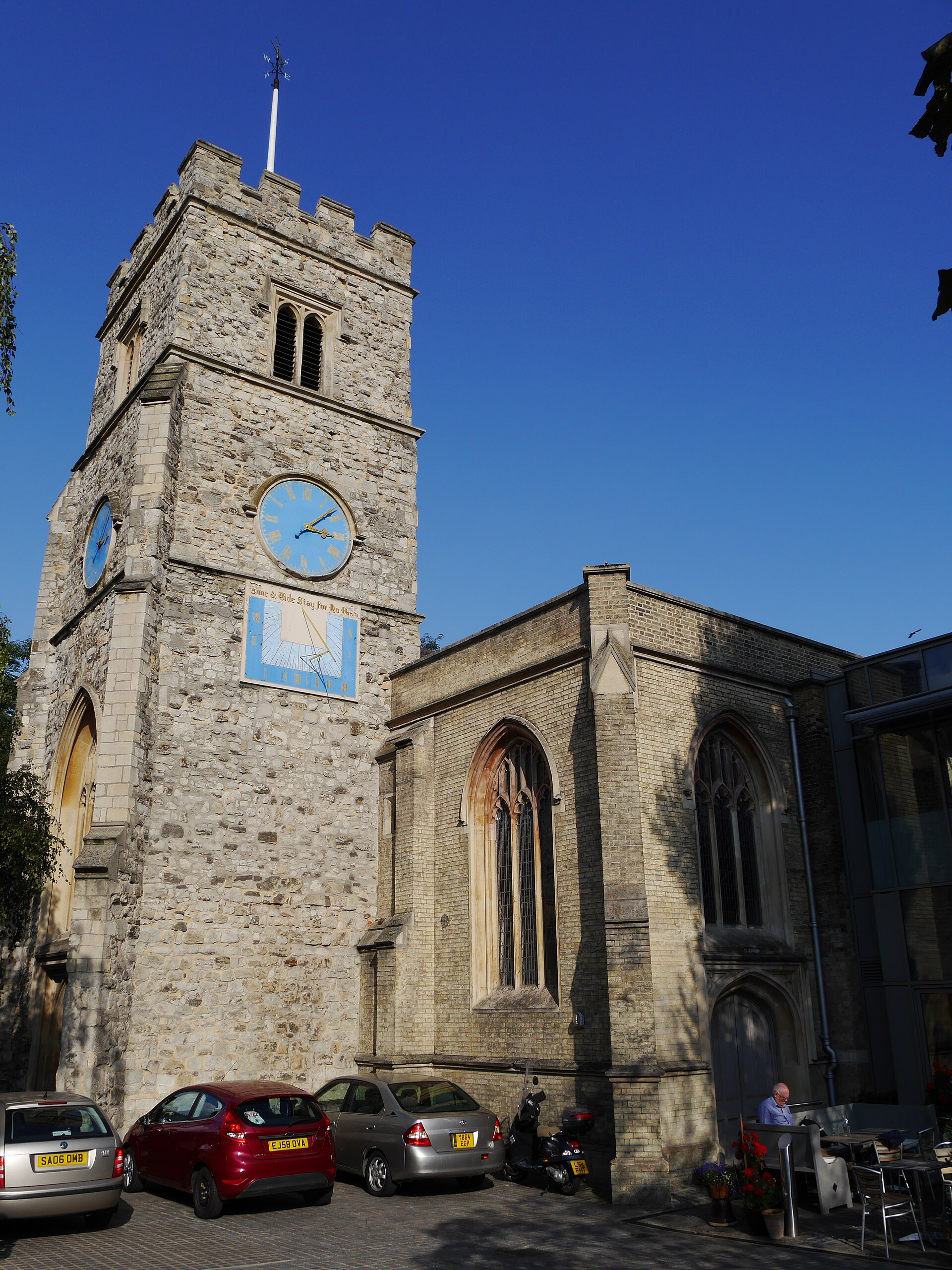
As you glide downstream from Barnes towards the finish at Putney Embankment, you follow the exact stretch of water known as the Championship Course for the annual Oxford and Cambridge Boat Race. First rowed by women in 1927, this historic corridor remains a cultural anchor for the city. Just before you reach the finish, your line takes you past the site of the Putney Bridge, where a ferry once provided the only transit across the water before the first bridge was built in 1729. Nearby, the brickwork of the Bricklayer's Arms, originally established in 1826 as the Waterman's Arms, stands as a reminder of the generations of river workers who once defined the banks you pass. You might also spot the distinctive architecture of St Mary's Church, which was rebuilt following a 1973 fire; its interior is famously unique, with the altar positioned halfway down the northern side of the nave.
Race day mechanics
Swim London offers 5km and 10km distances, both designed as downstream journeys that rely on the tidal cycle to assist the swimmer's pace. The 10km route begins at Brentford Dock Marina, while the 5km start is located at Barnes, with both paths converging at the finish line outside the Imperial Boathouse. Participation requires confidence in open water, as the river environment—while expertly managed with safety boats and designated tidal windows—is fundamentally dynamic. The event is intentionally scheduled to ensure the tide provides a favourable push, and while you might catch a glimpse of the distant Thames Barrier, the focus remains on the immediate navigation between the bridges. If you are looking for other events in the region, those who prefer a different, shorter challenge might consider the King of the Thames or, for a contrasting experience, the Swim Serpentine held later in September. Each finisher receives a medal at the Putney embankment, marking the successful completion of a journey through the heart of the capital.
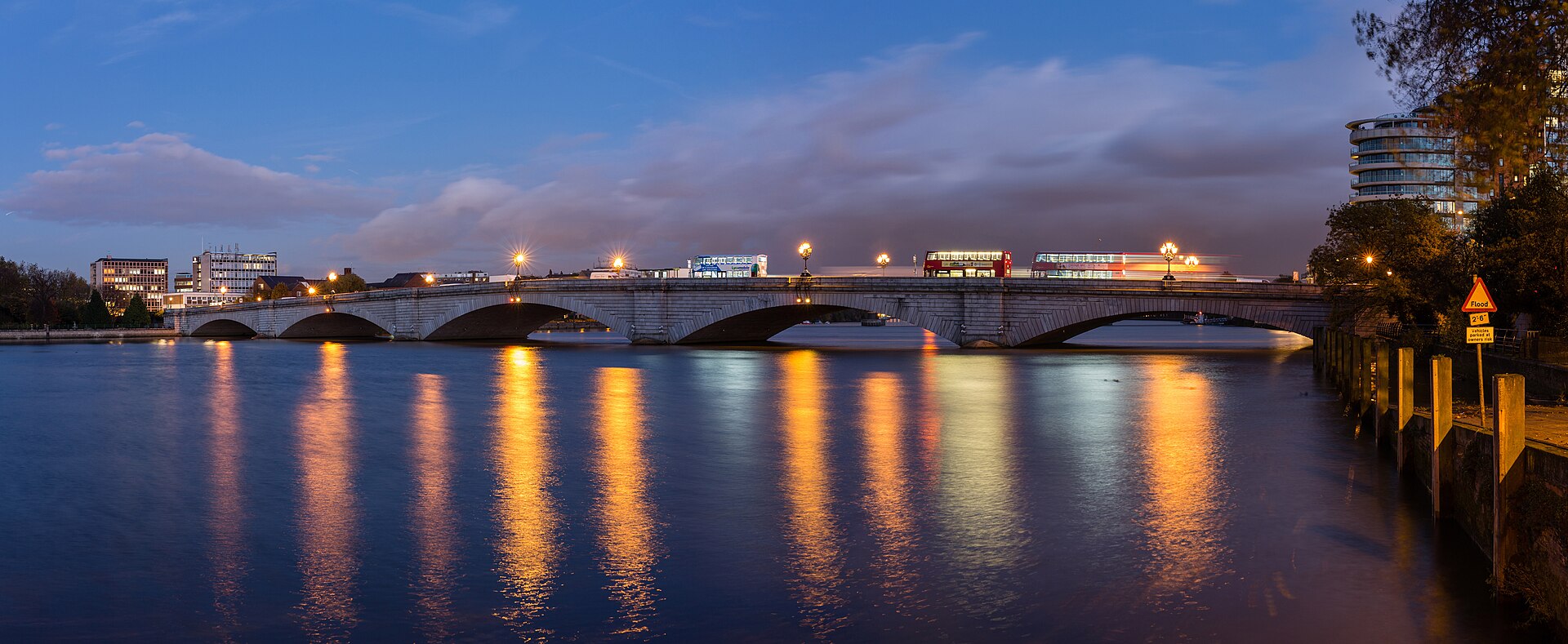
Sources: St Mary's Church, Putney · Putney Bridge · Bricklayer's Arms, Putney · Women's Boat Race
Course
Tide-assisted downstream swim from Barnes to Putney Embankment.
Tide-assisted downstream swim from Brentford Dock Marina to Putney Embankment, passing Kew, Chiswick, and Hammersmith Bridge.
Awards
Award ceremonies at the finish; full details to be confirmed.
How to get there
Swim London
Where to stay
Putney and the surrounding riverside districts offer a mix of traditional Victorian guesthouses, historic inns, and modern boutique hotels overlooking the water. Expect to find comfortable mid-range options starting from £120 per night, while upscale riverside rooms can reach £250+. For a more utilitarian approach, several well-connected hotels are located within walking distance of the Putney Embankment finish line, providing easy access to the event village and local transport links.
Things to do nearby
The area surrounding the Thames in West London is ideal for combining race prep with cultural exploration. You can spend your weekend exploring the historic riverside pubs, visiting the iconic Kew Gardens, or renting a kayak to navigate the quieter tributaries of the river. For those interested in local heritage, the area features various walking trails that trace the path of the river, offering a closer look at the historic architecture and the remnants of the city's maritime past.
Swimmers
Comments
Transparency: some links on this page (stays, flights, experiences, gear) are affiliate links — if you book or buy through them, Omniathlon may earn a commission from the partner at no extra cost to you. As an Amazon Associate we earn from qualifying purchases.