
XVII Travesía Máncora - Vichayito
- Sep 26, 2026
- Last edition date
- Distances from 1km to 10km
About the race
The approach to the coast of Piura is a slow descent from the arid, sun-baked hills toward the vibrant blue horizon. As you drive along the coastal road, the landscape shifts from golden desert dunes to the sudden, stark relief of the tablazos costeros, the elevated marine terraces that frame this stretch of the Pacific. Reaching the shore, the air carries the scent of salt and the promise of a unique aquatic environment where the cold Humboldt Current meets the warmer El Niño flow. This convergence is what keeps these waters significantly more temperate than the southern reaches of the Peruvian coastline, setting the stage for one of the most anticipated annual gatherings in the region.
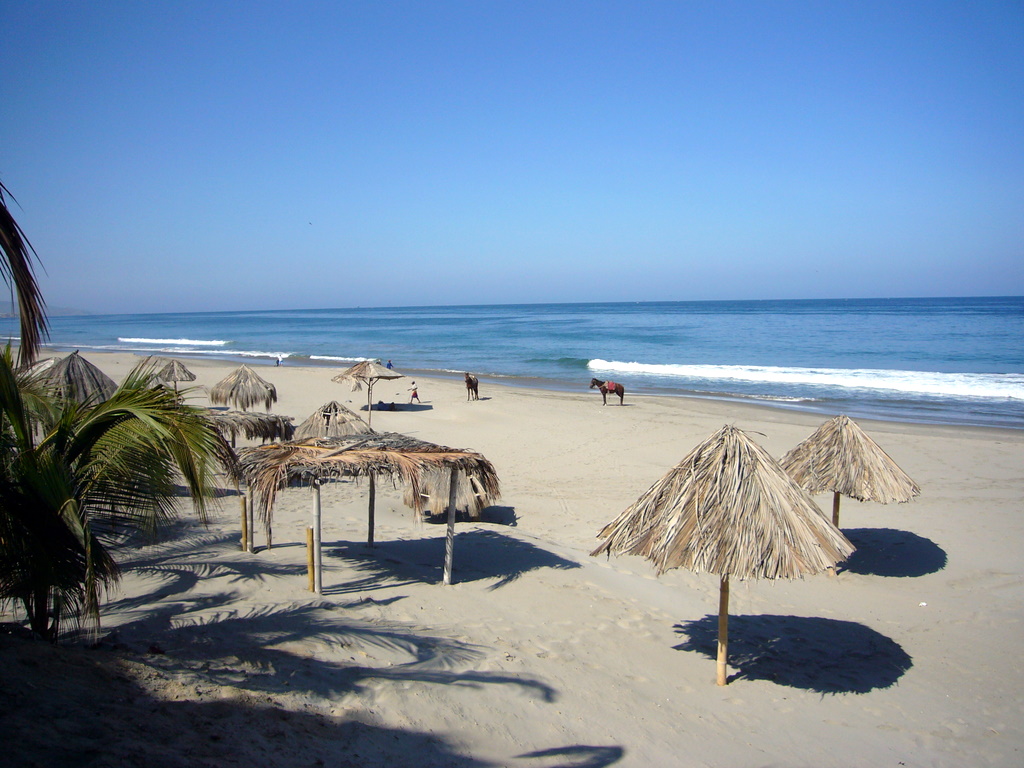
The water and the path
The sea here is a living canvas. Depending on the season, the water shifts from a deep, commanding indigo in the early morning to a brilliant turquoise that feels almost suspended in time. As you navigate the course—ranging from the 1000m sprint to the full 10,000m endurance challenge—you are tracing the same horizon observed by the 16th-century explorers who landed on these shores. The historical weight of this region is undeniable; it was in the wider vicinity of the Piura department that the founding of San Miguel de Tangarará took place in 1532, the first Spanish settlement in South America. While the waves are the focus, the silhouette of the sandy cliffs provides a constant, ancient reference point.
Marine life and legacy
Swimming in these waters is an immersion into a productive ecosystem. The richness of the local sea supports a robust traditional fishing industry, and it is not uncommon to feel the presence of the marine life that sustains the northern Peruvian culinary tradition, from swordfish to the prized mero. The area’s connection to history is even captured in contemporary art, such as the 2001 painting 'La carta de Máncora' by Herman Braun-Vega, which juxtaposes the legacy of the conquistadors with the timeless rhythm of these tides. For those looking for further challenges in this unique maritime corridor, the season often includes the II Ultra Crossing in nearby waters, drawing swimmers who thrive on the specific currents of the north. Whether you are aiming for the 1500m or the full 10km, the swim remains a direct encounter with the Pacific’s convergence zone.
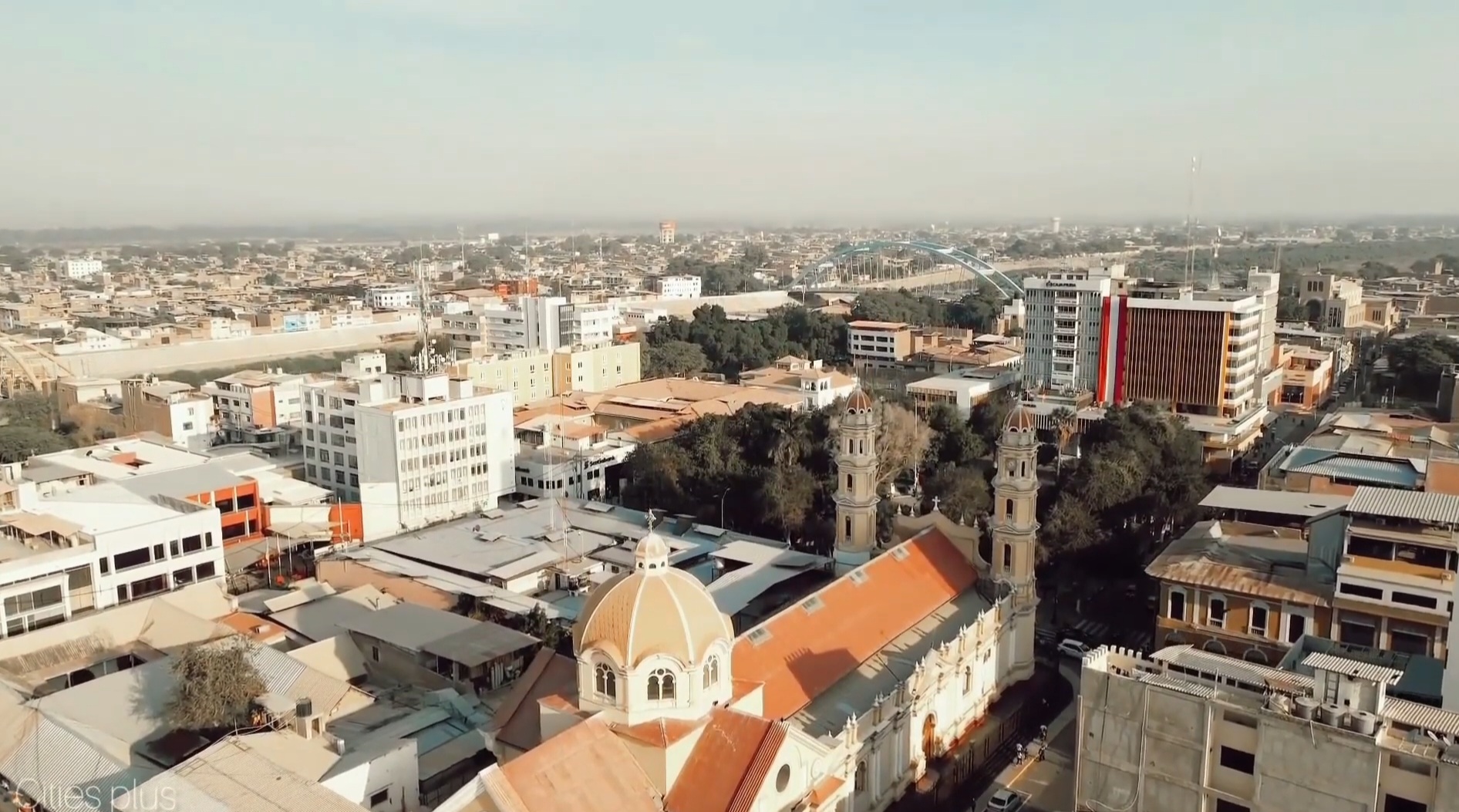
Course
How to get there
Talara Airport (TYL) at 80km (1.5h) or Tumbes (TBP) at 110km (2h). There are no trains. Reachable by bus (Cruz del Sur, Oltursa) from Lima or Piura. On-site: mototaxis or private taxis. Parking is limited near the beaches; it is recommended to stay near the race site to travel on foot.
XVII Travesía Máncora - Vichayito
Where to stay
The area around Máncora and Vichayito offers a mix of secluded boutique hotels nestled directly on the shoreline and rustic, authentic wooden bungalows that pay homage to traditional fishing architecture. You will find options ranging from intimate, design-focused retreats to more utilitarian beach-front lodges. Pricing typically fluctuates between $60 and $180 per night, depending on the proximity to the water and the level of service provided. It is recommended to secure your stay well in advance, especially during the peak summer swimming season.
Things to do nearby
Beyond the race, the region is defined by its connection to the Pacific. Visitors often spend their downtime exploring the coast via stand-up paddleboarding or kayak excursions to spot local marine life in the calmer morning hours. The surrounding desert landscape is ideal for trekking along the elevated tablazos, offering panoramic views of the ocean. For a taste of the local culture, frequenting the small, family-run eateries for fresh ceviche—featuring the very species that populate the swim course—is considered an essential part of the experience.
Swimmers
What to see around
1. Surfing in Máncora and Lobitos (world-renowned spots). 2. Swimming with sea turtles in El Ñuro. 3. Whale watching (seasonal, July-October). 4. Relaxing on the beaches of Vichayito. 5. Cerros de Amotape National Park for trekking in the equatorial dry forest.
Other stages of this series
- La II Ultra TravesíaCancas / Los Órganos, PE
Comments
Transparency: some links on this page (stays, flights, experiences, gear) are affiliate links — if you book or buy through them, Omniathlon may earn a commission from the partner at no extra cost to you. As an Amazon Associate we earn from qualifying purchases.