
Alcatraz Open Swim
- Sep 13, 2026
- Last edition date
- Distance: 2.3km
About the race
The fog clears as you crest the final hill on the Embarcadero, revealing the dark, churning expanse of the San Francisco Bay. Below the skyline, the silhouette of Alcatraz Island looms, a stark reminder of the cold, tide-swept reality that awaits every swimmer on September 13, 2026. Arriving at the South End Rowing Club, you are entering a space defined by 153 years of tradition, where the salt-crusted docks have served as the base for local open water pioneers since 1873. The atmosphere here is marked by the pragmatism of those who track the flood and ebb tides daily, knowing that the 2,253-meter crossing is less about endurance and more about finding the precise window of slack water between the bay's aggressive cycles.
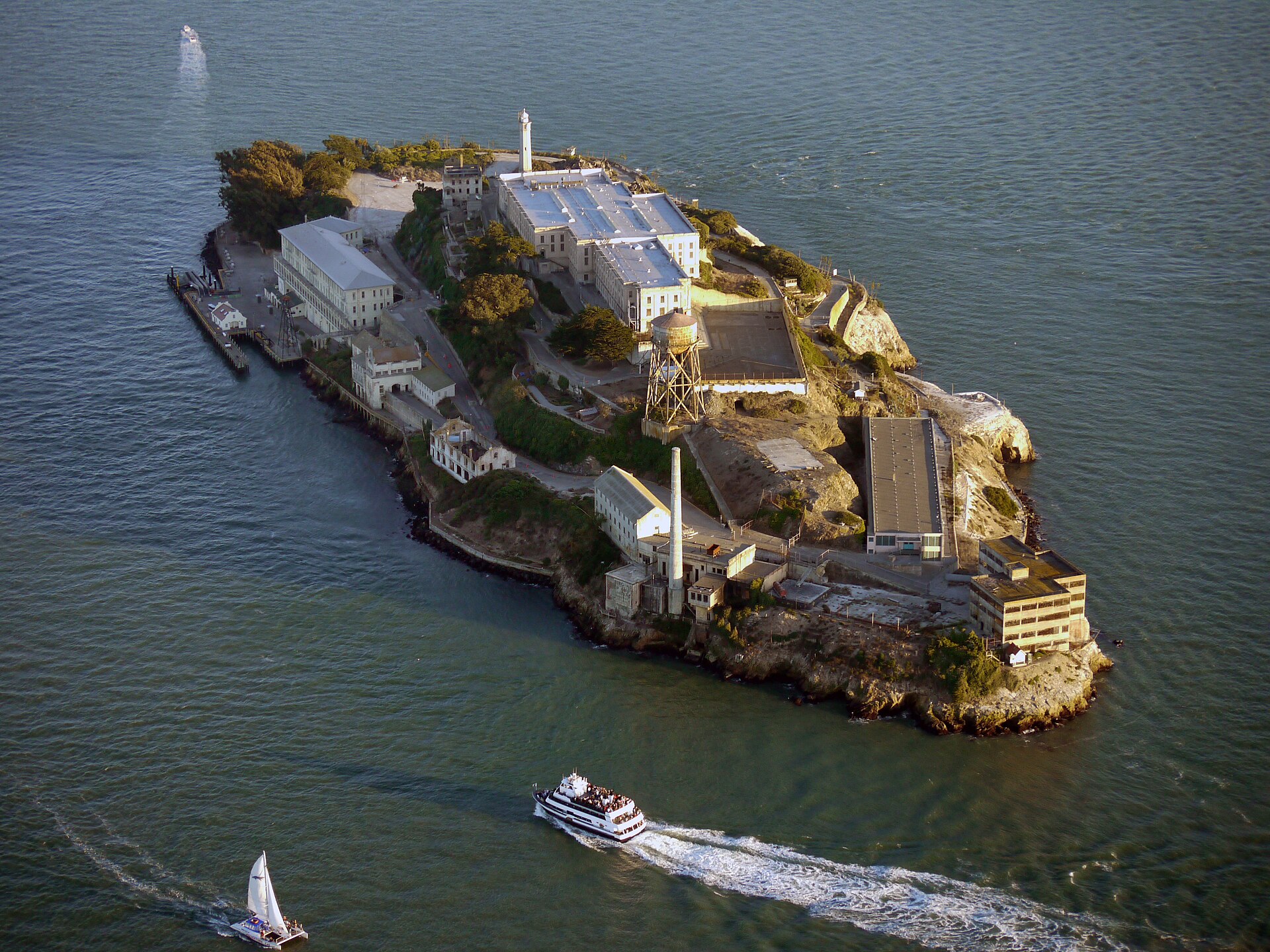
The Bay's hidden architecture
As you glide away from the island, the water beneath you hides a complex industrial history. Below the former recreation yard, archaeologists have mapped 'bombproof' earthwork traverses and vaulted brick tunnels that were buried long before the prison closed. Looking toward the mainland, you are swimming over the remains of the Yerba Buena Cove ship graveyard; here, hundreds of vessels were intentionally scuttled during the 1849 Gold Rush to claim land rights, and their timber skeletons still lie beneath the bay floor. While the modern route focuses on safety, the history of this crossing is shaped by the 1962 escape of Frank Morris and the Anglin brothers, who proved that the currents here are the ultimate arbiter of success. Those seeking to test their navigation against these same tides should look toward the Round Trip Alcatraz, which challenges participants just one week before this event.
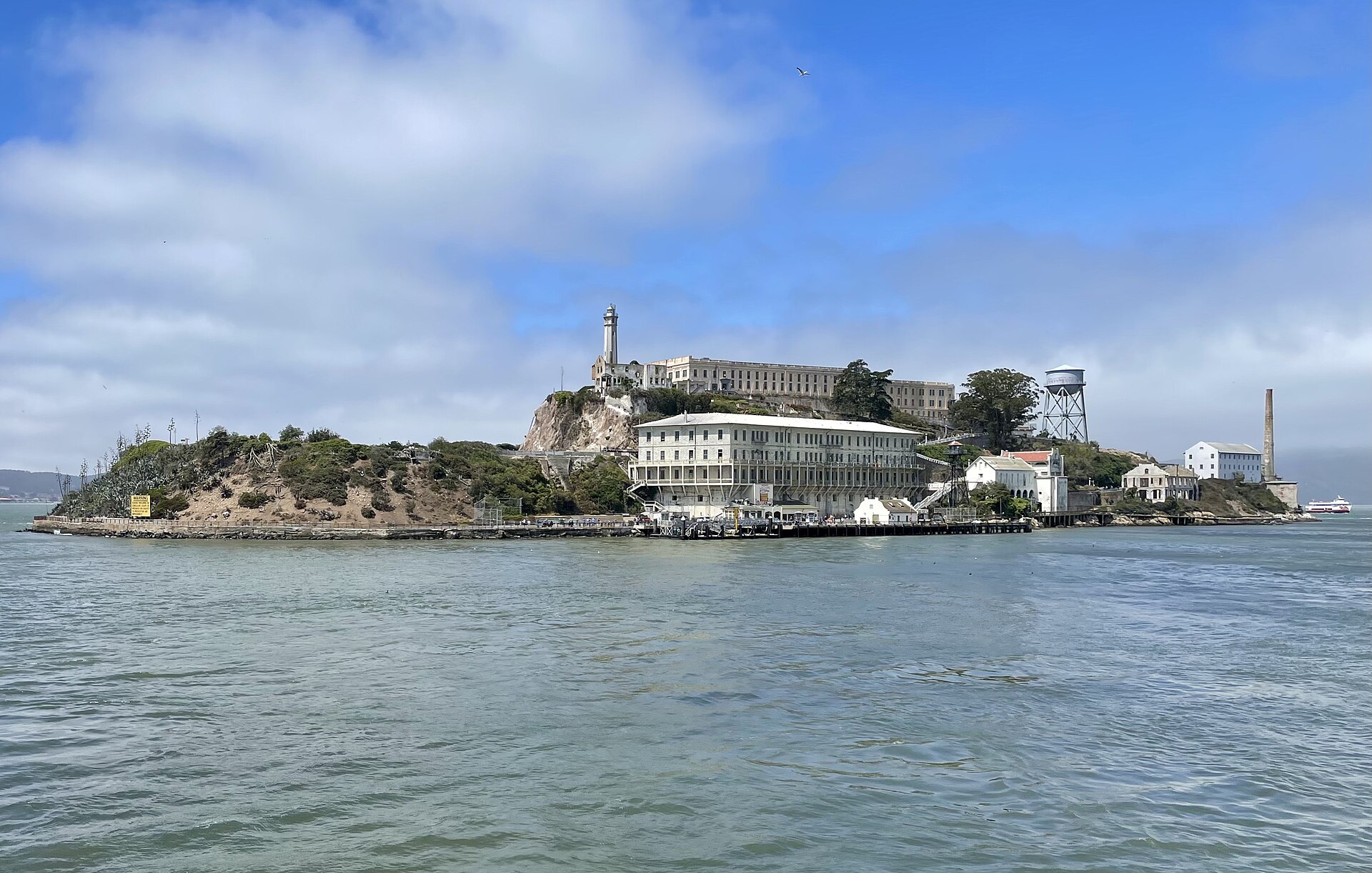
Fortifications and natural flow
Navigating toward the shore, you pass the southern flank of the island where, during the American Civil War, 105 cannons were mounted to defend against potential Confederate incursions. These guns, though never fired, defined the defensive posture of the bay for decades. You must remain vigilant of the local conditions, as the water temperature here rarely rises above levels that trigger physiological shock, a fact documented in the 1962 attempt by John Paul Scott, who reached Fort Point in hypothermic distress. Unlike the warmer, more protected swims like the Bridge to Bridge Swim, this crossing is dictated entirely by the volume of water moving through the Golden Gate. The siltation from the Sacramento and San Joaquin rivers continues to alter the depths of the bay, ensuring that no two swims are identical as the currents shift around the island's jagged shoreline.
Sources: San Francisco · Alcatraz Island · South End Rowing Club
Course
The swim typically involves a crossing from Alcatraz Island to the San Francisco shoreline, subject to strong currents and cold water temperatures characteristic of the San Francisco Bay.
How to get there
Hotels near Aquatic Park: Argonaut Hotel, Courtyard San Francisco Fisherman’s Wharf, Holiday Inn San Francisco-Fisherman’s Wharf, San Francisco Marriott Fisherman’s Wharf, Holiday Inn Express & Suites, Hyatt Fisherman’s Wharf, San Remo Hotel, Hotel Zoe, The Wharf Inn.
Alcatraz Open Swim
Where to stay
Swimmers typically base themselves in the Fisherman's Wharf or North Beach districts to remain within walking distance of the South End Rowing Club. Options range from historic boutique hotels on the waterfront, often converted from mid-century maritime buildings, to compact guesthouses. Expect nightly rates between $250 and $450, though prices fluctuate significantly during peak event weekends. Camping is not available within the city limits, so most athletes prioritize proximity to the transit lines that feed directly into the harbor area.
Things to do nearby
Beyond the water, the area offers extensive opportunities to explore maritime heritage. Weekend visitors often book kayaking tours around the shoreline to see the city from the water level or head to the Presidio for coastal trekking with views of the bridge. Archaeological walking tours focusing on the Gold Rush era are common, while local culinary experiences center on the historic crab stands of the Wharf. For those interested in the environment, SUP rentals are available in calmer, protected inlets away from the main shipping channels.
Swimmers
Comments
Transparency: some links on this page (stays, flights, experiences, gear) are affiliate links — if you book or buy through them, Omniathlon may earn a commission from the partner at no extra cost to you. As an Amazon Associate we earn from qualifying purchases.